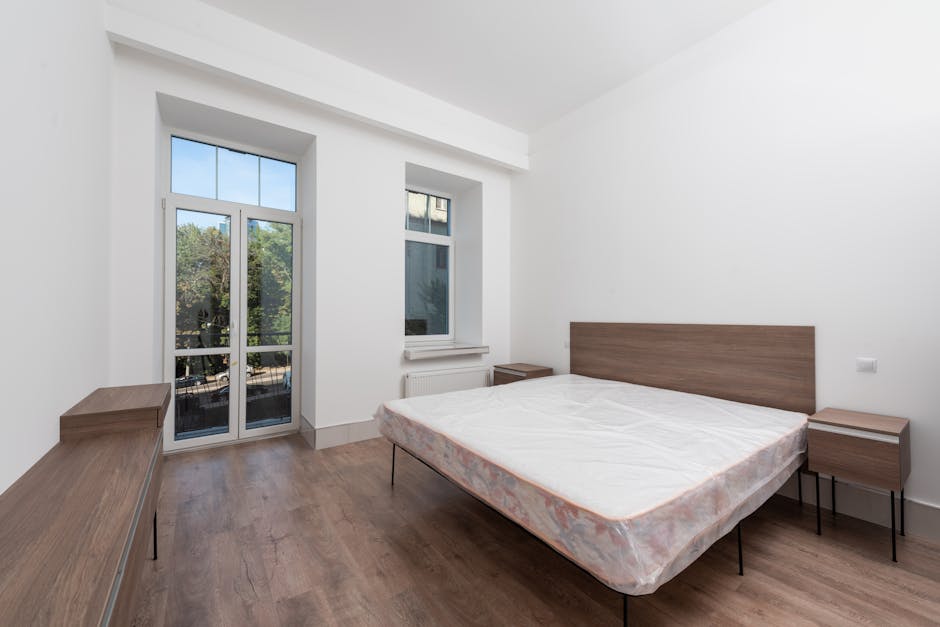
Bulky mattress disposal in W2: costs and quick options
Posted on 10/10/2026
Getting rid of a bulky mattress sounds simple until you actually try to move the thing. It is awkward, heavy, dusty, and never quite fits the lift, stairwell, or narrow hallway the way you hoped it would. If you are dealing with Bulky mattress disposal in W2: costs and quick options, you probably want two things: a quick solution and a clear idea of what it may cost. Fair enough.
This guide walks you through the practical choices in W2, from low-cost routes to same-day collection options, plus the checks that matter if you want the job done cleanly and responsibly. You will find a straightforward breakdown of how mattress disposal usually works, what affects the price, what to watch out for, and how to choose a service without wasting time. If you are weighing up a one-off collection against a broader clear-out, the right next step becomes much easier once you know the landscape.

Why bulky mattress disposal in W2 matters
A mattress is one of those items that quietly becomes a problem the moment it is no longer needed. It takes up space, collects dust, and can be surprisingly difficult to move through a flat with tight corners or shared access. In W2, where a lot of homes sit in converted buildings, mansion blocks, terraces, and compact flats, that awkwardness is often half the battle.
There is also the simple fact that mattresses are not like bagged rubbish. They are classed as bulky waste, which means they need a sensible disposal route rather than being left by a bin area or squeezed into a regular collection. That matters for tidiness, safety, and the way waste is handled overall. If you are clearing a guest room, replacing a worn bed, or managing a move, getting it sorted quickly can remove a surprising amount of stress.
To be fair, the "quick" part is often what people care about most. A mattress leaning in the hallway is not just ugly; it can block access, create a trip hazard, and make a property feel unfinished. If you are preparing a rental for new tenants or tidying up before a sale, speed has real value. You may also find it useful to read more about related household clearance needs in our domestic waste collection in Paddington guide and our broader services overview.
There is another angle too: disposal decisions affect reuse and recycling. Some mattresses can be broken down into components, while others are too damaged or contaminated for anything except disposal. A responsible approach helps keep avoidable waste out of landfill where possible. Our recycling and sustainability page covers that mindset in more detail.
How bulky mattress disposal in W2 works
Most mattress disposal jobs in W2 follow one of a few routes. The best option depends on how quickly you need the mattress gone, where the item is located, whether you can carry it yourself, and whether you want to separate disposal from other items at the same time.
1. Book a dedicated bulky item collection
This is the quickest option for many people. A collection team arrives, removes the mattress from inside the property or from a reachable point, and takes it away in one visit. This route suits busy households, landlords between tenancies, and anyone who does not want to wrestle a mattress down three flights of stairs. It is also practical if you have more than one bulky item and want to combine them.
2. Add the mattress to a wider clearance job
If the mattress is only one piece among several items, a broader clearance can be more efficient. That might include bed frames, wardrobes, boxes, or old furniture. In those cases, it often makes sense to look at furniture removal in Paddington or, for larger jobs, house clearance support. One visit, one access plan, fewer delays. Simple, really.
3. Use a council or local bulky waste route
Some residents consider council bulky waste services. These can be useful if you are planning ahead and only need a standard collection. The trade-off is usually timing and flexibility. Appointments may not be immediate, and access rules can be quite specific. If your mattress is already causing an issue, a faster private collection is often more practical.
4. Take it to a disposal point yourself
This works only if you have the right vehicle, enough lifting help, and confidence managing the loading. For many W2 residents, that combination is not especially convenient. A mattress can be light enough to think "I can handle this" and then awkward enough to make you regret that decision halfway through the staircase. Happens all the time.
In most cases, the process is straightforward: you request a quote, confirm the mattress type and access details, choose a collection window, and the team removes it. For a quick estimate or a clearer comparison of service formats, our pricing and quotes page is a useful place to start.
Key benefits and practical advantages
People usually think about mattress disposal only as a chore. But a good collection service gives you more than a tidy room. It removes friction from the whole situation.
- Speed: A quick collection clears the space fast, which is especially useful between tenants or before a move.
- Safety: You avoid lifting strain, stair damage, and those awkward moments when a mattress catches on a banister.
- Convenience: There is no need to hire a van or find someone willing to help carry it.
- Cleaner results: A professional collection leaves fewer crumbs, scuffs, and "we will sort that later" leftovers.
- Better waste handling: The item can be directed into the appropriate disposal or recycling stream where possible.
Another overlooked benefit is mental bandwidth. Once the mattress is out of the way, the room feels usable again. That matters whether you are setting up a spare room for family or simply trying to reclaim a bedroom corner that has been occupied by a retired spring mattress for two weeks too long.
For properties undergoing changes, mattress removal can also support faster turnaround. If you are dealing with end-of-tenancy prep or a broader property refresh, the article on Paddington property transactions gives useful local context on how small operational delays can ripple through a larger move.
Who this is for and when it makes sense
Mattress disposal in W2 is not just for one kind of customer. The need shows up in ordinary moments, and usually at inconvenient times.
Homeowners and tenants
If you are replacing a mattress after a move, a bedroom refresh, or a home upgrade, you probably want the old one gone quickly. Tenants may need to leave the flat tidy for check-out inspections, while homeowners often want the replacement to arrive without the old mattress hanging around.
Landlords and letting agents
In a rental property, a mattress can become a speed issue. If a tenant has left one behind, or if a property is being refurnished, a fast collection helps reduce void periods. A clean handover is simply easier when bulky waste is handled promptly.
People clearing multiple items
If the mattress is part of a bigger job, especially with old furniture or white goods, it is often smarter to combine collections. That can save time and sometimes reduce the cost versus arranging several separate removals. For appliance-heavy clear-outs, take a look at white goods and appliance disposal in Paddington.
Anyone with access constraints
W2 properties often involve shared entrances, limited parking, or narrow staircases. If moving the mattress yourself would mean wrestling it through a tight hallway while trying not to disturb neighbours at 7.30 in the morning, a professional collection may be the saner route. Frankly, sometimes that is the whole story.
Step-by-step guidance
If you want a quick, low-drama mattress disposal experience, follow a simple process. It keeps the job efficient and avoids surprise costs.
- Identify the mattress type and condition. Is it a single, double, king, or super king? Is it clean, damp, damaged, or infested? These details matter for handling and pricing.
- Check access. Note stairs, lifts, parking restrictions, and any times when access is limited. This is especially important in W2 buildings with shared entrances or narrow common areas.
- Decide whether to add other items. If you have a bed frame, headboard, or worn furniture, bundling them together may be more efficient.
- Request a quote. Be honest about the size and access. A good quote depends on the real job, not the hoped-for version of the job.
- Choose your timing. If you are under time pressure, ask about same-day or next-day options. If you are not, a scheduled slot may still be the neatest solution.
- Prepare the mattress. Clear a path, remove bedding, and make sure the collection point is reachable. That tiny bit of prep can save a lot of faff.
- Confirm disposal and documentation. If you are using a private waste carrier, make sure they operate responsibly and can explain how waste is handled.
If the job feels a bit more involved than a mattress on its own, the right service can help with the whole flat or property. Our about us page explains the local, hands-on approach, while waste carrier licence and compliance covers the trust side of the process.
Expert tips for better results
These are the practical details that tend to make a real difference. Not glamorous, but very useful.
- Measure the mattress before you book. A standard single and a thick king-size hybrid are not the same job.
- Take a quick photo. It helps clarify the condition, especially if there are stains, tears, or water damage.
- Group similar waste together. If you have other soft furnishings, you may be able to combine them efficiently.
- Check the collection window carefully. In London, traffic and parking can alter the timing slightly, so build in a little flexibility.
- Keep lift and corridor rules in mind. Shared buildings can be fussy about moving bulky items through common parts. Best to know that before the van arrives.
- Ask how the mattress will be handled. A responsible operator should be clear about sorting, transfer, and disposal pathways.
A small but useful tip: if the mattress is already on a bed frame you are removing, disassemble the frame first. It makes the mattress easier to extract and often reduces the risk of banging corners against walls. You do not want a fresh chip in the paint job because the wardrobe decided to get involved.
If you are curious about the operational side of efficient waste handling more broadly, our automation and waste efficiency article offers a wider view of how streamlined systems improve service quality.

Common mistakes to avoid
Most mattress disposal problems are preventable. They usually happen because people underestimate the item or leave the planning too late.
- Leaving it outside too early. That can create complaints, weather damage, or collection confusion.
- Ignoring access details. A service cannot magically appear through a locked gate or around a no-parking restriction.
- Choosing only on price. The cheapest quote is not always the quickest, safest, or most reliable.
- Assuming all mattresses are handled the same way. Condition matters. So does size, and whether the item is contaminated.
- Forgetting the bed base. Many people book a mattress removal and then realise the frame still needs attention. A classic.
- Not checking compliance. If the carrier is not properly set up, you may be left with a disposal headache you did not ask for.
One of the biggest mistakes in W2 is underestimating shared-building logistics. If you live in a block with concierge rules, time-limited access, or a strict lift booking system, always confirm those details first. A five-minute check can save a failed visit.
Tools, resources and recommendations
You do not need specialist equipment to dispose of one mattress, but a few simple tools and good references can make the process easier.
Useful practical items
- Measuring tape for access checks
- Phone camera for photos and quote accuracy
- Work gloves if you are moving the mattress yourself
- Stair or corridor protection if the building has tight corners
- Clear route through the property before collection day
Helpful service pages
If your mattress disposal is part of a bigger clear-out, these pages may be worth a look:
- domestic waste collection in Paddington for everyday household items
- furniture removal in Paddington for beds, wardrobes, and similar bulky pieces
- house clearance in Paddington for bigger property clear-outs
- white goods disposal if appliances need moving too
- pricing and quotes for understanding cost structure before you book
And if you care about responsible disposal, which most people do once they have had to drag a mattress down stairs, our recycling and sustainability page is a good reminder that waste handling is not just about getting things out of sight.
Law, compliance, standards, or best practice
Mattress disposal sounds domestic and simple, but waste handling still sits inside a framework of good practice. In plain English, that means you should use a waste carrier that is properly set up to transport and dispose of waste, and you should be satisfied that the item will not be fly-tipped or mishandled.
For private customers, the key point is trust. If someone collects your mattress, you want confidence that they are operating safely, legally, and with proper disposal routes. That is why documentation, transparency, and clear pricing matter. It is also why many people prefer services that can explain their waste handling approach without waffling. If an operator is vague, that is a small red flag. Not always a disaster, but enough to ask another question.
In flats and managed buildings, best practice also includes access planning. Do not block fire exits, communal pathways, or loading bays. Keep the mattress secure until the agreed time. And if you are dealing with an item that is wet, heavily soiled, or infested, disclose it upfront so the collection can be planned safely.
You can also review service commitments around insurance and safety if you want to understand how a responsible collection should protect both your property and the people carrying the load.
Options, methods, and comparison table
Choosing the right mattress disposal method in W2 is mostly a question of speed, convenience, and whether you want a one-off fix or a broader clearance. Here is a simple comparison.
| Option | Typical speed | Convenience | Best for | Notes |
|---|---|---|---|---|
| Private bulky item collection | Fast, often same-day or next-day | High | Busy households, landlords, urgent removals | Usually the quickest and least stressful route |
| Bulky waste included in furniture removal | Fast to moderate | High | Mattress plus bed frame or other furniture | Good value if several items are going at once |
| Council-style bulky waste route | Moderate to slow | Moderate | Planned non-urgent disposal | May be cost-effective, but timing can be less flexible |
| Self-haul | Immediate if you have transport | Low to moderate | People with a suitable vehicle and lifting help | Cheap on paper, but effort and logistics can be high |
As for costs, it is safest to think in terms of variables rather than a fixed price. The main drivers are mattress size, access difficulty, whether the mattress is alone or part of a larger load, and how quickly you need it removed. A single mattress from a ground-floor flat will usually be simpler than a king-size mattress from a top-floor conversion with no lift and awkward parking. That difference can matter more than people expect.
Case study or real-world example
Here is a typical W2 scenario. A landlord in a period conversion near Paddington needs an old double mattress removed between tenancies. The property has a narrow stairwell, a shared entrance, and a short window before cleaners arrive. The mattress is dry and clean, but it has to go the same day.
Rather than waiting for a slower bulky waste slot, the landlord opts for a fast collection service and adds an old headboard and a small bedside cabinet to the booking. The access details are shared upfront, including the floor level and the fact that parking is limited outside. The team arrives within the agreed slot, removes everything in one visit, and leaves the flat ready for cleaning.
The important part is not just that the items disappeared. It is that the job was planned properly. No guesswork, no surprise stair drama, no "we will have to come back tomorrow". In real life, that is what people are usually paying for: certainty, not just removal.
For local context about how Paddington's property mix affects practical jobs like this, our Paddington living guide gives a helpful feel for the area's everyday rhythm and housing quirks.
Practical checklist
Use this before you book. It keeps the process tidy and avoids easy-to-miss details.
- Confirm the mattress size and type
- Check whether it is clean, damp, damaged, or infested
- Measure stairs, lifts, and access routes if needed
- Note parking or loading restrictions
- Decide whether to remove bed frames or other furniture too
- Take a photo for quote accuracy
- Ask about collection timing and same-day availability
- Confirm how the mattress will be handled after collection
- Keep communal areas clear on the day
- Review the provider's safety and compliance information
That is the whole game, really. Get the details right first and the rest tends to run smoothly.
Get a free quote today and see how much you can save.
Conclusion
Bulky mattress disposal in W2 does not need to be a hassle. Once you understand your options, the decision becomes much easier: choose the fastest route if time is tight, combine the mattress with other items if you want better value, and always check access and compliance details before booking. A little planning goes a long way.
The best choice is usually the one that fits your building, your schedule, and the actual condition of the mattress. If it is a clean, straightforward item, a quick collection is often the smoothest answer. If it is part of a larger clear-out, a wider service may make more sense. Either way, the aim is the same: get the room back, keep the process responsible, and avoid unnecessary faff. Nice and simple, ideally.
And once that bulky mattress is finally out of the way, the room tends to feel lighter straight away. Small win, but a good one.