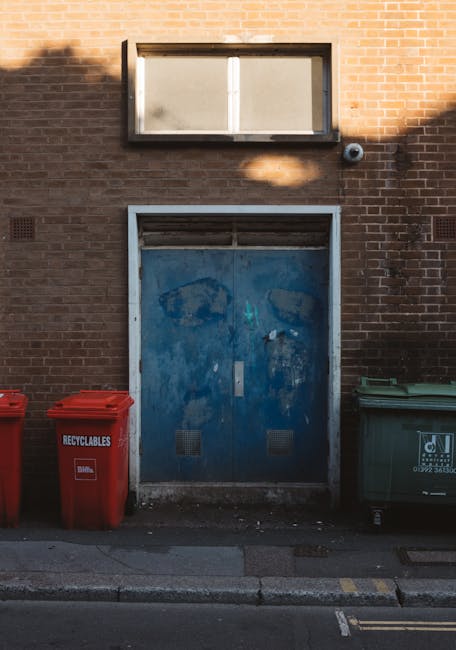
Resolving communal bin disputes on Paddington estates
Posted on 02/06/2026
If you live in a Paddington estate, you will know the drill: one day the communal bin store is tidy, the next it is overflowing, somebody has shoved a bag beside the lid, and the whole area starts to feel a bit tense. Resolving communal bin disputes on Paddington estates is not really about bins at all. It is about shared space, fairness, habits, and the everyday friction that builds when people live close together.
Some disputes are small and practical. Others turn oddly personal very quickly. One resident wants more recycling capacity, another thinks lids are never closed properly, and someone else is convinced certain bags are being left out too early. Sound familiar? The good news is that most bin conflicts can be reduced with clear rules, better communication, and a few sensible systems that do not rely on everyone suddenly becoming perfect. Let's face it, that rarely happens.
In this guide, you will find a clear explanation of how communal bin disputes usually start, what actually helps in real estate settings, and how estates in Paddington can improve waste handling without making life harder for residents or managing agents. There is also a step-by-step process, a comparison table, a checklist, and a practical FAQ section for the questions people really ask.
Why Resolving communal bin disputes on Paddington estates Matters
Shared bin areas may seem like a small operational issue, but they affect the day-to-day feel of an estate more than people expect. When the bin store is messy, residents notice. When rubbish is left in the wrong place, the smell carries. When recycling rules are unclear, people start blaming each other instead of fixing the underlying system. Before long, the disagreement becomes part of the estate's background noise.
On Paddington estates, this matters even more because many properties share limited outdoor space, narrow access routes, and tight collection arrangements. If one household leaves large items or household waste beside the bins, the whole setup can unravel fast. You can end up with blocked access, missed collections, pest problems, and complaints that keep circling back to the same point: "Who is responsible?"
That is why bin disputes are worth resolving properly rather than papering over. A clean, fair system reduces tension, improves hygiene, and helps residents feel the estate is being managed with some care. It also saves time. Residents spend less energy arguing, and managing agents spend less time mediating small dramas that could have been prevented with better structure in the first place.
Expert summary: most communal bin disputes are not really caused by one bad neighbour. They usually come from unclear rules, too little bin capacity, inconsistent collection habits, or a store that was never designed for the number of people using it.
There is also a practical property angle. Well-run communal areas help protect the look and feel of a building. If you are thinking about making wise real estate choices in Paddington, shared waste management is one of those unglamorous details that tells you a lot about how the place is actually run.
How Resolving communal bin disputes on Paddington estates Works
Most effective resolutions follow the same broad pattern: identify the cause, agree on the rules, improve the physical setup, and keep communication simple. That sounds almost too straightforward, but in practice it works better than endless reminders with no follow-through.
The first step is to understand what kind of dispute you are dealing with. A bin dispute may be about overflow, contamination, fly-tipping near the bin store, blocked access, late-night noise, misuse of recycling bins, or people putting out bulky items without arranging collection. Each problem needs a slightly different fix.
Next comes evidence. Not in a dramatic sense, just basic observation. Who is using the bins? When do issues happen? Is the store too small? Are bags being left after collection day? Is there enough signage to explain what goes where? Sometimes the answer is obvious once you actually look at the area at the right time, especially early morning when the collection has just passed and the mess is easiest to spot.
Then the estate needs a workable arrangement. This may include clearer resident notices, a better bin layout, a new collection schedule, a request for more capacity, or a system for reporting misuse. For larger or mixed-use blocks, it may also involve coordination with waste contractors, landlords, or the managing agent.
In many Paddington estates, the real win comes from combining small behavioural changes with better waste removal support. For example, if a building regularly accumulates bulky household waste or old furniture near the bin store, a service such as house clearance in Paddington or furniture removal in Paddington may be needed to prevent repeat buildup. Not every estate problem is solved by a note on the wall.
Finally, there is the human side. Residents are far more likely to cooperate if they understand the reason behind the rules. "Please flatten boxes because the bins fill too quickly" lands better than "Do not do this." Small difference, big result. Oddly enough, people respond better when they feel included rather than instructed like schoolchildren.
Key Benefits and Practical Advantages
Sorting out communal bin disputes brings benefits that go well beyond a tidier yard. The most obvious one is a cleaner estate, but the knock-on effects are broader and more useful.
- Better resident relations: fewer arguments, fewer passive-aggressive notes, and less tension around shared responsibilities.
- Improved hygiene: less spillover, less odour, and a lower chance of attracting pests.
- More reliable collections: bins that are accessible and used properly are easier for crews to service.
- Reduced contamination: clearer recycling separation means fewer mistakes and less mixed waste.
- Cleaner communal appearance: this matters for resident pride and for visitors, too.
- Less management time wasted: once the system works, fewer complaints land on the same desk every week.
There is a softer benefit too: people begin to trust the estate rules because they can see they are practical, not arbitrary. That helps with other shared issues as well, from bike storage to noise complaints. Shared spaces work better when the basics are fair.
For managing agents and landlords, there is also a cost-control angle. Preventing overflow and fly-tipping is usually cheaper than repeatedly dealing with emergency clear-ups. If a block generates regular extra waste from renovations, decluttering, or end-of-tenancy turnover, planned support may be more efficient than waiting for the issue to snowball. The same logic appears in automation and waste reduction discussions, where better systems cut friction before it becomes a bigger problem.
Who This Is For and When It Makes Sense
This topic matters to a fairly wide group of people, and that is one reason it keeps coming up. Communal bin disputes are not only a resident problem. They are an estate management problem, a landlord issue, and sometimes a waste logistics issue all at once.
You may need this approach if you are:
- a resident dealing with overflow, smell, or neighbours leaving rubbish in the wrong place;
- a managing agent trying to reduce complaints and keep a block running smoothly;
- a landlord responsible for common areas in a small or medium estate;
- a freeholder or resident committee member looking for a more durable solution;
- a porter, caretaker, or site manager who has to deal with the mess every week;
- a tenant association trying to create clearer shared rules without causing friction.
It makes sense to act early. Do not wait until the bin store looks like a miniature landfill on a Saturday morning. If people keep leaving bags outside bins, if recycling keeps getting contaminated, or if bulky items appear without warning, the issue has already moved beyond a one-off mistake. That is when simple, agreed action can prevent the problem from hardening into a pattern.
There are also cases where the dispute is really a sign that the estate setup itself is outdated. A building with more residents than it was originally designed for may simply need a different waste arrangement. In those situations, a rethink is healthier than endless reminders. Sometimes the system is the problem. Not the people. Well, not only the people.
Step-by-Step Guidance
If you want a practical route through the issue, start here. The aim is not perfection. The aim is a calmer, cleaner, more consistent bin area that residents can actually live with.
- Observe the pattern. Note when the issue happens, what type of waste appears, and where it is being left.
- Separate behaviour from capacity. Ask whether the problem is misuse, too few bins, poor layout, or a mix of all three.
- Check the current rules. If the estate already has bin guidance, look at whether it is clear, visible, and realistic.
- Talk to the residents involved. Keep it calm and specific. "This area keeps overflowing by Monday" is more helpful than "People are being careless."
- Improve the physical setup. Add labels, reposition bins if access is awkward, or increase the frequency of waste removal if the load is genuinely too high.
- Address bulky or one-off items separately. Sofas, appliances, and renovation waste do not belong in a normal communal bin stream.
- Set a simple escalation path. Residents should know who to contact if the store is full, blocked, or repeatedly misused.
- Review after a few weeks. A solution should be checked, not assumed. If the issue persists, adjust the system instead of just repeating the same message louder.
A useful shortcut is to think in terms of "clarity, capacity, consequence." Are the rules clear? Is there enough space? Is there any consequence for repeat misuse? If one of those three is missing, disputes tend to come back. Quietly, then not so quietly.
Where estates generate large volumes of domestic waste, a regular support service such as domestic waste collection in Paddington can sometimes be part of the answer, especially if the existing collection points are not keeping pace with demand. For estates with mixed rubbish streams, checking the wider services overview can help you understand what kinds of support are available.
Expert Tips for Better Results
Over time, a few practical habits make a big difference. These are the kinds of details that can feel small at first, then suddenly become the reason a bin store stays manageable instead of becoming a weekly headache.
Keep the instructions simple and visual
If residents have to read a long paragraph to understand bin sorting, the system is already asking too much. Use short instructions, clear bin colour references, and plain language. If you can explain it in ten seconds, people are more likely to remember it on a wet Tuesday when they are carrying shopping and their phone is ringing.
Match the setup to real behaviour, not ideal behaviour
People do not always wait until the "perfect" time to take rubbish out. If your estate gets regular evening use, the bin area needs to be easy to access and hard to misuse. If bulky waste appears after weekends, you may need a collection response that anticipates that rhythm instead of pretending it does not exist.
Use the right contractor for the right problem
Shared bin disputes often become messier when general waste, recycling, and bulky rubbish are all treated the same. A responsible waste carrier should be able to separate routine collection needs from one-off clearances. If you want to understand that side of things better, waste carrier licence and compliance is worth reviewing for peace of mind.
Respect the human side of enforcement
Firmness matters, but so does tone. If residents feel accused, they may dig in. If they feel informed and treated fairly, they usually cooperate more. To be fair, most people are not trying to make the bin area awful. They are just busy, distracted, and a bit inconsistent. Like the rest of us.
Keep one person accountable
Every estate needs a clear point of responsibility. If everyone owns the problem, no one owns it. Even a simple process for logging issues and tracking repeat hotspots can stop things drifting.
Common Mistakes to Avoid
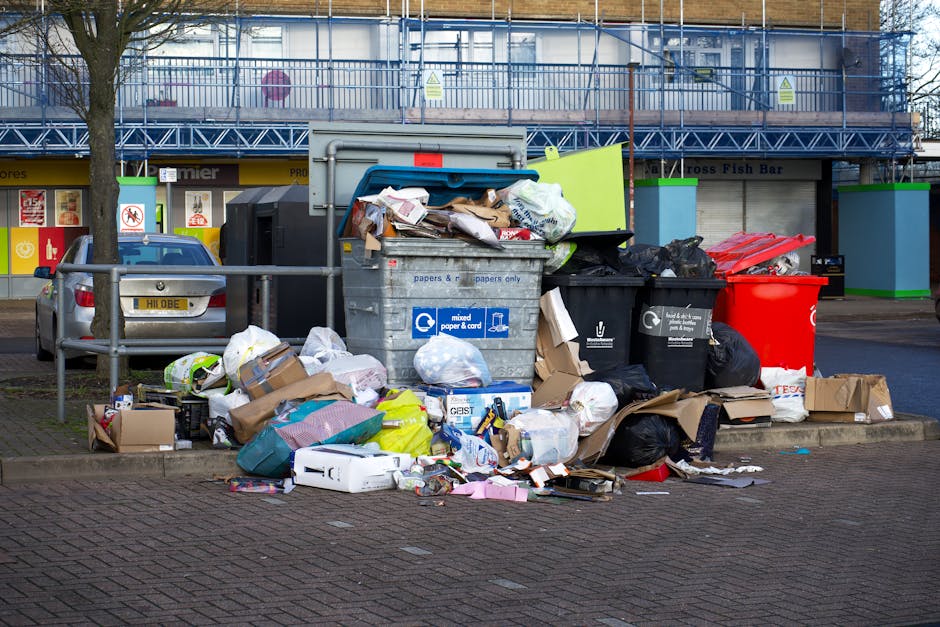
Communal bin disputes can drag on for months if the response is half-hearted. A few mistakes come up again and again.
- Assuming the problem is just inconsiderate residents. Sometimes the layout or capacity is genuinely inadequate.
- Posting unclear instructions. Vague signs do not help anyone, and they can create more arguments.
- Ignoring bulky waste separately. A sofa is not the same thing as a black bag, and treating it that way causes trouble.
- Waiting too long to act. Small overflow issues become habit very quickly.
- Changing rules without telling people properly. A surprise rule change tends to annoy everyone.
- Relying only on resident goodwill. Goodwill helps, but systems are what keep estates stable.
Another classic mistake is trying to "win" the argument instead of fixing the waste flow. That approach usually produces more emails and no cleaner bin store. Not ideal, obviously.
Tools, Resources and Recommendations
You do not need anything fancy to improve communal bin management, but a few practical tools help more than people expect.
- A simple incident log: record dates, times, and types of problems so patterns become visible.
- Clear signage: keep the wording short, and place it where people actually see it.
- Resident notices or email updates: useful for seasonal reminders, collection changes, or new arrangements.
- Bin store photos: before-and-after pictures can show the scale of the issue without turning it into a blame game.
- Dedicated bulky waste support: helpful when the estate sees regular sofa, mattress, or appliance dumping.
If the dispute is linked to larger clearance work, the estate may benefit from a planned approach rather than piecemeal fixes. For example, a post-tenancy or move-out clean-up can be handled alongside house clearance services, while larger fit-out or refurbishment waste may be better directed through builders waste removal in Paddington. That separation keeps the communal bins for what they are meant to do.
Paddington estates also tend to benefit from being a little proactive about community context. If you are interested in the area's character and how local living patterns shape everyday services, Paddington living from a local perspective is a useful companion read, and it gives a good sense of why shared space management matters here.
Law, Compliance, Standards, or Best Practice
Communal bin disputes usually sit in the overlap between property management, waste handling, and basic neighbour relations. While the exact responsibilities depend on the building, the lease, and the management structure, a few general principles are worth keeping in mind.
First, waste should be handled safely and responsibly. That means using properly authorised waste services where required and avoiding informal dumping arrangements that make it impossible to trace where rubbish went. A reputable operator should be transparent about how waste is collected, moved, and disposed of. If you are unsure what to look for, insurance and safety guidance can help you ask the right questions.
Second, estates should avoid creating conditions that encourage illegal dumping or missed collections. If waste is stored in a way that blocks access or spills into communal areas, that can become both a nuisance and a management issue. Good practice is to keep bin access sensible, visible, and easy to maintain.
Third, recycling instructions should be realistic. If residents cannot easily tell what belongs where, contamination rises. Clear, consistent guidance is usually better than complex systems nobody remembers.
There are also broader ethical and operational standards that reputable providers tend to follow. For example, companies that publish policies on sustainability, data handling, or business conduct signal that they take the wider responsibilities seriously. For more context, you may find the site's recycling and sustainability page useful, alongside the about us section if you want to understand the business behind the service.
If a resident dispute escalates into unsafe conditions, repeated obstruction, or persistent fly-tipping, the estate may need stronger escalation steps. The important thing is to act proportionately and keep records. Calm, documented steps beat emotional escalation almost every time.
Options, Methods, or Comparison Table
Different estates need different solutions. Here is a simple comparison of common approaches.
| Method | Best for | Strengths | Limitations |
|---|---|---|---|
| Resident reminders only | Very minor, occasional misuse | Quick, low-cost, easy to issue | Often fades if the underlying issue is capacity or layout |
| Improved signage and labels | Confusion around bin types or recycling | Simple, visible, improves consistency | Does not fix overflow or bulky waste by itself |
| Collection or capacity review | Regular overflow or poorly matched bin numbers | Addresses root cause, not just symptoms | May need coordination and budget approval |
| Bulky waste clearance support | Furniture, appliances, or ad hoc dumped items | Stops large items clogging communal bins | Works best as part of a wider process |
| Formal estate policy | Ongoing disputes across multiple residents | Creates clarity, consistency, and accountability | Takes time to communicate and enforce |
For many Paddington estates, the best answer is not one method but a combination. A clear policy, decent signage, and the right waste support usually do more together than any one measure on its own.
Case Study or Real-World Example
Imagine a mid-sized Paddington estate with three blocks sharing one enclosed bin area. Over a few months, the residents begin complaining about smell, bags left outside the bins, and recycling contamination. The managing agent initially sends a general reminder. It helps for a week, then the same issues come back.
On inspection, three things become clear. First, the bin store is too tight for the number of households using it. Second, residents are unsure which bin takes what. Third, one corner of the store has become a dumping spot for broken chairs and packaging after small refurbishments. No single resident is "the problem"; the system is simply overloaded.
The estate then makes four changes. It improves signage, arranges a better routine for bulky waste removal, adds a simple reporting channel for overflow, and schedules a review of bin capacity. Within a short period, the store becomes easier to use, complaints reduce, and residents stop feeling like they need to police each other constantly.
The slightly boring lesson is also the most useful one: a small amount of structure often prevents a lot of neighbour friction. A tidy bin store does not sound glamorous. But, truth be told, it changes how the whole place feels when you walk past it in the morning.
Practical Checklist
Use this checklist if you are trying to bring order back to a shared bin area on a Paddington estate.
- Identify the main issue: overflow, misuse, recycling confusion, bulky waste, or access problems.
- Check whether the number and size of bins match the number of households.
- Review the clarity of bin labels and estate instructions.
- Record when the problem happens, not just that it happens.
- Speak to residents in a neutral, specific, non-accusatory way.
- Make a separate plan for bulky items and one-off clearances.
- Confirm who is responsible for action, follow-up, and communication.
- Keep the bin store accessible and free from blocked routes.
- Review the result after a few weeks and adjust if needed.
- Escalate repeat misuse calmly and with proper records.
If you can tick most of those boxes, you are already well ahead of where many estates start. And that's fine. Most improvements happen in small steps, not one grand fix.
Get a free quote today and see how much you can save.
Conclusion
Resolving communal bin disputes on Paddington estates is really about creating a system people can live with. Not a perfect one. A practical one. When residents understand the rules, when the bin area has enough capacity, and when bulky waste is handled properly, the whole estate feels calmer.
The best results usually come from combining clear communication, sensible waste logistics, and a little patience. Some issues need a simple reminder. Others need a full rethink of how waste is stored and collected. Either way, the goal is the same: less friction, less mess, and a more respectful shared space for everyone.
If your estate has been battling the same bin dispute for months, do not assume it has to stay that way. A few grounded changes can go a long way, and sometimes that is all it takes to restore the peace.
And honestly, a tidy bin area is one of those small victories that makes a building feel looked after. Quietly, that matters more than people admit.