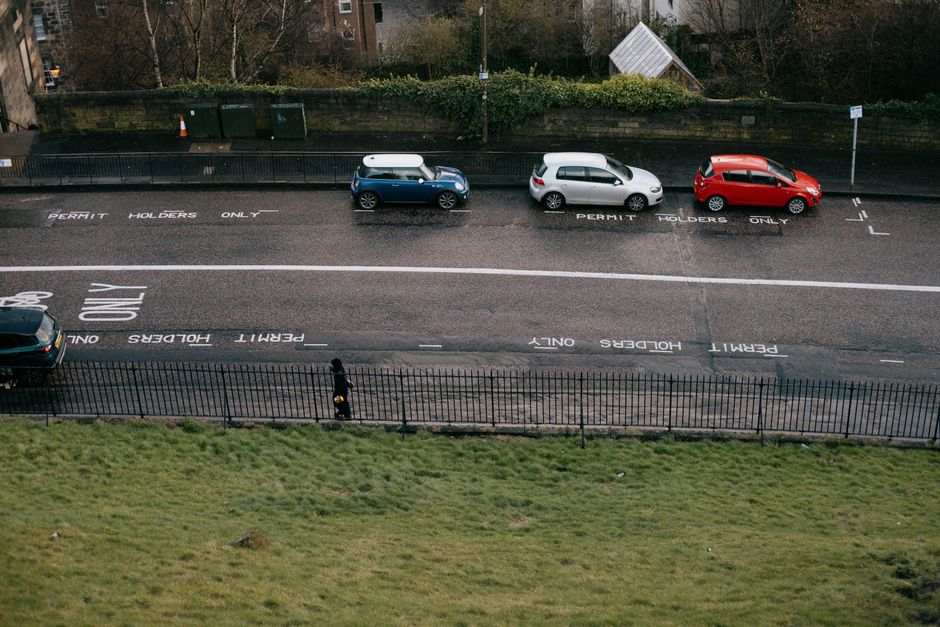
Skip permits on Praed Street and Westbourne Terrace
Posted on 05/07/2026
If you are arranging a skip in central Paddington, the details matter more than people expect. Skip permits on Praed Street and Westbourne Terrace can affect timing, cost, access, and even whether a skip can be placed where you want it in the first place. On streets like these, with busy traffic, tight parking, and constant footfall, a rushed decision can turn into a headache very quickly.
This guide explains how skip permits work, why they matter on these roads, and what to check before you book. It also covers practical alternatives, common mistakes, and a clear step-by-step process so you can keep your project moving without unnecessary stress. Truth be told, most problems come from one thing: leaving the paperwork until the last minute.

Why Skip permits on Praed Street and Westbourne Terrace Matters
Praed Street and Westbourne Terrace are not the sort of roads where you can casually leave a skip and hope for the best. They sit in a busy part of Paddington, close to stations, hotels, residential blocks, office buildings, and steady traffic. That mix makes waste planning more sensitive than on a quieter side street. A permit is often the difference between a smooth collection and a mess of delays, complaints, or enforcement issues.
For residents, the main issue is simple: a skip placed on public highway land usually needs permission. For businesses, the stakes can be even higher because a badly timed delivery can block access for customers, contractors, or service vehicles. If you are doing renovation work, a house clearance, or a short-term commercial clean-out, the road environment shapes everything.
It is also worth saying this plainly: permits are not just about bureaucracy. They help manage road safety, visibility, and space. On a street where people are constantly loading luggage, crossing the road, or pulling in and out of bays, a skip that is too large, badly placed, or left too long can create real problems. Nobody wants that awkward knock on the door at 8:15 in the morning because a neighbour has complained.
Expert summary: If a skip will sit on the pavement or carriageway on Praed Street or Westbourne Terrace, plan for permission first, delivery second. That order saves time, money, and embarrassment.
How Skip permits on Praed Street and Westbourne Terrace Works
A skip permit is usually required when the skip will be placed on a public road, pavement, or other highway area. If the skip is kept entirely on private land, a permit may not be needed. That sounds straightforward, but in central Paddington the practical reality can be a bit fiddly. A driveway, forecourt, or private yard might be too small, or access might be blocked by other vehicles. Suddenly the public highway becomes the only workable option.
The permit process generally involves a few moving parts:
- confirming the exact placement location
- checking whether the area is public highway or private land
- identifying the skip size and intended hire period
- allowing time for permit approval before delivery
- making sure the skip company is licensed and compliant
On roads like Praed Street and Westbourne Terrace, access conditions can change throughout the day. Morning traffic, deliveries, taxi movements, and pedestrians can all influence where a skip can safely go. That is why a reputable provider will usually ask questions about access, loading space, and whether the skip needs cones or lights. It is not overcautious. It is basic common sense, really.
If you are comparing services, it helps to start with the broader services overview so you can see the different rubbish removal options alongside skip hire. In some cases, a skip is the right answer; in others, a faster collection service is simpler and less disruptive.
For waste handling itself, do not overlook the company behind the skip. Their waste carrier licence and compliance should be in order, because the permit is only one part of responsible disposal.
Key Benefits and Practical Advantages
When the permit process is handled properly, the benefits are easy to feel. The project runs smoother, neighbours are less irritated, and the whole job becomes less stop-start. On busy streets, a little preparation goes a long way.
- Less disruption: A permitted skip is placed with proper consideration for traffic and access.
- Lower risk of penalties: You reduce the chance of enforcement action or avoidable delays.
- Better scheduling: You can line up the skip with builders, cleaners, or movers.
- Cleaner site management: Waste is contained in one place instead of spreading across bags and corners.
- Improved safety: Proper placement reduces trip hazards and visibility issues.
There is also a quieter benefit that people sometimes miss: confidence. Once you know the skip is approved, you stop second-guessing every tiny detail. That matters when you are juggling a kitchen refit, a tenancy change, or a house clearance and your brain already feels full enough.
If sustainability matters to you, it is worth checking how the operator approaches sorting and disposal. A company with a strong recycling ethos can often help reduce what goes to landfill. You can read more about that general approach in the page on recycling and sustainability.
Who This Is For and When It Makes Sense
Skip permits on Praed Street and Westbourne Terrace are relevant to a surprisingly wide range of people. Some projects are obvious. Others are more borderline.
- Homeowners doing refurbishments, decluttering, or loft clear-outs
- Landlords preparing a property between tenancies
- Builders and tradespeople managing renovation or strip-out waste
- Office managers dealing with furniture, packaging, and general waste
- Estate agents and property teams coordinating quick turnarounds
- Commercial tenants clearing stock, fixtures, or bulky items
It makes sense when the waste volume is too much for normal bags or bin capacity, but not so huge that a full programme of grab lorry collection or multiple trips would be easier. If you are clearing out a flat near Paddington Station or managing a refurbishment in a period terrace, a skip can be efficient. If the project is smaller and time-sensitive, a direct collection may actually be the better fit.
For domestic clean-ups, some readers find it useful to compare with domestic waste collection in Paddington. If the job is more furniture-heavy, the page on furniture removal may also be useful. And if the job involves a full property reset, house clearance in Paddington is worth a look.
For builders in particular, it is often not just about getting rid of rubble. It is about keeping the site tidy, safe, and workable. That is where builders waste removal in Paddington becomes part of the planning conversation.
Step-by-Step Guidance
Here is the most practical way to approach skip permits on Praed Street and Westbourne Terrace without overcomplicating things.
- Confirm the exact location. Decide whether the skip will sit on private land or on the public highway. This is the first and most important question.
- Estimate the waste volume. Know what you are throwing away. A small clear-out and a full refurbishment are very different jobs.
- Choose the right skip size. Too small and you will need another collection. Too large and you may create unnecessary cost or access issues.
- Check timing. If you need the skip for a specific day, allow enough time for permit approval and delivery windows.
- Ask about road conditions. On busy streets, location, lighting, and visibility matter. Do not assume the first available spot is suitable.
- Review the provider's paperwork. Look at waste carrier compliance, insurance, and payment terms before confirming.
- Plan the loading process. Keep materials ready so you are not paying for a skip that sits half-empty while you search for boxes.
- Arrange collection promptly. Once the skip is full, book removal without delay so the street is not left cluttered.
A lot of people try to wing it, and to be fair, that sometimes works on quieter roads. But here, especially around central Paddington, a tidy plan usually beats improvisation. Every time.
Expert Tips for Better Results
Small decisions make a big difference. In our experience, the smoothest skip jobs are the ones where someone asked the boring questions early. That is not glamorous, but it saves hassle.
- Book a little earlier than you think you need to. Permit processing, vehicle access, and contractor schedules all eat into time.
- Measure access properly. Narrow roads, kerbs, low branches, and parked cars can affect delivery more than people expect.
- Keep the waste stream sensible. Mixing everything into one skip is sometimes fine, but separating recyclable items can improve efficiency.
- Watch for restricted items. Some materials need special handling, so do not assume everything can go in the same container.
- Think about neighbours. A short note or a polite heads-up can avoid an unnecessary complaint later.
If you are managing a commercial site or recurring clearance work, process matters. The article on automation processes to increase efficiency and reduce waste is a useful reminder that tidy systems usually outperform last-minute improvisation. Not always, but most of the time, yes.
And if you are planning around property turnover or refurbishment timing, the local property-focused reading on Paddington property transactions may help you think through the wider sequence of events. A skip is never just a skip when a move-out deadline is staring at you.

Common Mistakes to Avoid
Most mistakes are avoidable. That is the annoying part. They tend to come from assuming the street is simpler than it is.
- Leaving the permit too late: This can push the whole project back.
- Guessing the skip size: A wrong-size choice causes either waste or extra cost.
- Not checking the exact placement: A good delivery driver can help, but they cannot magic up space that does not exist.
- Ignoring access restrictions: White lines, narrow bays, timed loading, and traffic flow all matter.
- Using an unverified operator: Always check licensing and compliance rather than trusting a nice phone manner alone.
- Forgetting collection timing: A skip left in place too long can become a nuisance quickly.
One common trap is assuming that because a skip looks "temporary," it will be tolerated without formal permission. That is not a safe assumption. Another is putting all the focus on price and forgetting service quality. Cheapest is not always cheapest once delays, penalties, or extra days are added in. That old story again.
Tools, Resources and Recommendations
You do not need a complicated toolkit, but you do need a sensible one. A few practical things help you avoid the usual snags.
- Basic measurements: A tape measure or laser measure for access width and placement space
- Project notes: A simple checklist for waste types, schedule, and key contacts
- Photos of the site: Helpful when discussing delivery access with the provider
- Waste separation bags or boxes: Good for items you want to keep out of the skip
- Secure payment method: Useful when paying deposits or confirming bookings
If you want to compare pricing and the practicalities of different collection methods, start with pricing and quotes. It is a useful place to sanity-check your expectations before you commit. You can also review payment and security if you want reassurance about how bookings are handled.
For day-to-day confidence, it is also smart to read the company's insurance and safety information. A good operator should be able to explain how they reduce risk during loading, collection, and disposal.
Law, Compliance, Standards, or Best Practice
In the UK, skip placement on the public highway is usually controlled by local permission requirements, and the exact rules can vary by area and situation. That is why it is important not to treat general advice as a replacement for the actual permit process. If a skip is going on public land, assume permission is needed unless the provider confirms otherwise.
It is also important to think beyond the permit. Waste must be transferred to a legitimate carrier, handled responsibly, and disposed of in line with duty-of-care expectations. In plain English, that means you should be confident the waste will not end up dumped somewhere it should not. If a company cannot explain where the waste goes, that is a red flag, and a fairly loud one too.
Good practice usually includes:
- clear site assessment before delivery
- permit arrangements before placement on the highway
- appropriate vehicle and equipment for the location
- protected loading and sensible fill levels
- proper waste transfer and disposal controls
For readers who want a fuller sense of compliant waste handling, the page on avoiding fines and understanding waste duty of care is directly relevant. And for recurring bulky waste issues, the guide on Westminster Council bulky waste rules may also help you plan better.
Options, Methods, or Comparison Table
Not every waste job on Praed Street or Westbourne Terrace needs the same solution. Here is a practical comparison to help you decide.
| Option | Best for | Strengths | Things to watch |
|---|---|---|---|
| Skip on public road with permit | Larger clear-outs, renovations, builder waste | Convenient, can stay on site, good for ongoing loading | Permit needed, access and placement must be planned carefully |
| Skip on private land | Homes or premises with suitable drive or forecourt space | Often simpler than highway placement | Only works if the space is genuinely available and safe |
| Direct waste collection | Smaller or time-sensitive jobs | Fast, less street disruption, no skip sitting outside | May be less practical for repeated loading over several days |
| Specialised removal service | Furniture, appliances, bulky items, full clearances | Less lifting for you, often better for mixed household waste | May not suit every construction or heavy-rubble job |
There is no universal winner here. The best option depends on space, waste type, timing, and how much disruption you can tolerate. On a street as busy as these, convenience is important, but so is fit.
Case Study or Real-World Example
Picture a small flat renovation just off Westbourne Terrace. The owner needs to remove old bathroom fittings, broken tiles, packaging, and a few bulky items. They initially assume a road-side skip will be easiest, because the flat has no private outdoor space. Then they check the actual building access and realise the nearest clear bay is tight, the street has heavy daytime traffic, and the contractor will be loading over three days rather than one.
Instead of rushing, they compare options. A small permit-managed skip is still possible, but the delivery needs careful timing. They also look at whether a mixed waste collection could remove the heavier items sooner, leaving only the rubble for the skip. That turns out to be the cleaner solution.
The result is not dramatic, which is exactly the point. No blocked pavement, no awkward complaints from neighbours, and no frantic reshuffling of tradespeople because the container arrived at the wrong moment. The work gets done. Everyone breathes a little easier.
That kind of outcome is common when people start by asking, "What is the least disruptive way to do this?" rather than "What is the quickest way to book something?" Small shift. Big difference.
Practical Checklist
Use this checklist before you book:
- Location confirmed: I know whether the skip will be on private land or the highway.
- Access checked: The road, kerb space, and delivery route have been assessed.
- Skip size chosen: The volume of waste matches the skip capacity.
- Permit timing allowed: There is enough time for approval before delivery.
- Waste type reviewed: I know what can and cannot go in the container.
- Provider verified: The operator has the right compliance and insurance information.
- Collection arranged: I know when the skip will be collected.
- Neighbours considered: Any likely disruption has been thought through.
- Payment understood: I know the charges, deposit, and any extras.
- Backup plan ready: If the road-side option becomes awkward, I know the fallback.
If you can tick all ten, you are in a strong position. If not, pause and sort the gaps. It is far easier than fixing a half-complete plan later.
Get a free quote today and see how much you can save.
Conclusion
Skip permits on Praed Street and Westbourne Terrace are not something to rush past. The roads are busy, the access can be tight, and the consequences of a poor setup are more annoying than people expect. But with the right planning, the process is straightforward enough. Confirm the location, allow time for approval, choose the right service, and keep compliance in mind from the beginning.
That is the real takeaway here: the best waste plan is not the flashiest one. It is the one that quietly works. And in a part of Paddington where everyone is moving fast, that kind of calm is worth a lot.
Take your time, ask the practical questions, and you will save yourself a fair bit of hassle. Honestly, that is half the battle.