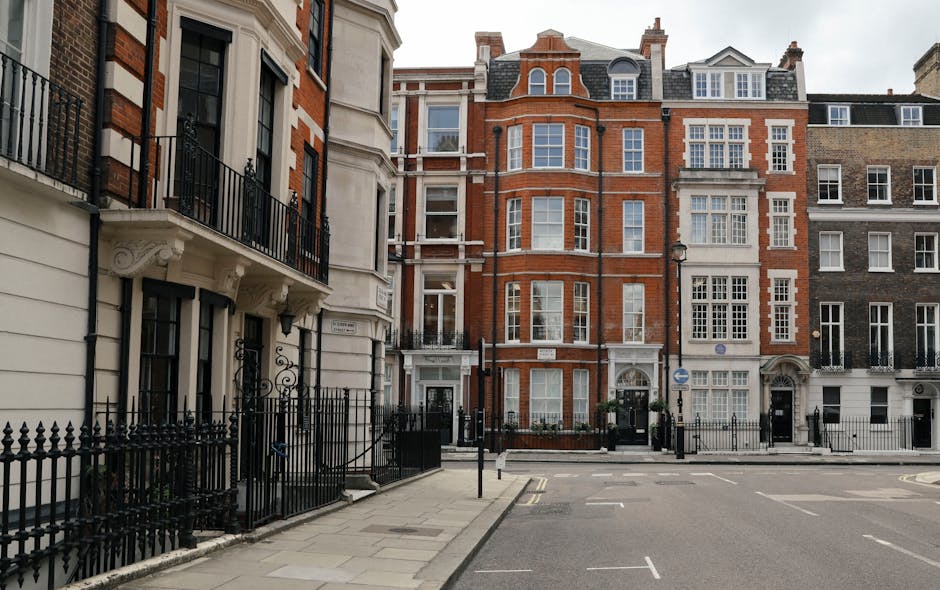
Sussex Gardens house clearance tips for Paddington terraces
Posted on 29/04/2026
Terrace homes around Sussex Gardens can be deceptively tricky to clear. On paper, it sounds simple: sort the rooms, move the items, load the van, done. In real life, you are dealing with narrow stairs, tight entrances, shared hallways, parked cars, awkward furniture, and the kind of items that seem to multiply the moment you open a cupboard. If you are planning a clearance in a Paddington terrace, the right approach saves time, stress, and money.
This guide brings together practical Sussex Gardens house clearance tips for Paddington terraces, with a local focus on access, sorting, disposal, compliance, and how to make the whole process smoother. Whether you are clearing a flat, a family house, a rental property, or a place that has simply been lived in for years, the aim is the same: keep the job organised and avoid the usual headaches. Truth be told, that is half the battle.
We will walk through the process step by step, explain what to watch out for in terrace properties, and share useful best practices that fit Paddington living. If you need broader context on local services, the services overview is a useful place to start, and the house clearance Paddington page gives a good sense of what a professional clearance can cover.
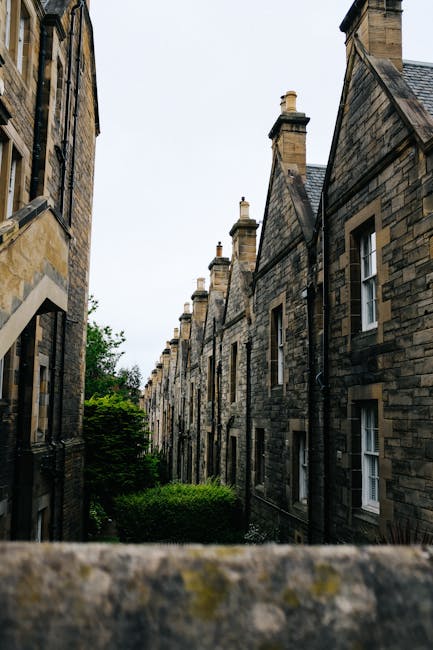
Why Sussex Gardens house clearance tips for Paddington terraces Matters
Terraced homes in Paddington have their own rhythm. They are elegant, compact, and often built around space that was never designed for modern clutter. That is exactly why a clearance needs planning. A sofa that turns easily in a modern apartment can become a small drama on a terrace staircase. A wardrobe might fit in the room it lives in, but not back down the hall. And if the property has been lived in for a long time, you may find everything from broken lamps to old paperwork tucked into odd corners.
Good clearance tips matter because they reduce avoidable disruption. A thoughtful plan helps you avoid blocking communal access, damaging walls or bannisters, and wasting time shifting the same item twice. It also helps with sorting items into what stays, what is reused, what can be recycled, and what needs specialist disposal. That last part matters more than people sometimes realise.
There is also a local angle. Sussex Gardens sits in an area where properties can be tight, parking can be limited, and neighbours may be close enough to hear every bump and scrape. A quiet, organised clearance is simply more considerate. If you want a wider feel for the area and how local life shapes practical decisions, this local read on Paddington living from a local perspective gives useful background.
Key point: in terrace properties, the clearance process is not just about removing waste. It is about managing access, timing, sorting, and disposal in a way that respects the building and the people around it.
How Sussex Gardens house clearance tips for Paddington terraces Works
A well-run clearance normally follows a sequence. First comes the walk-through, then the sorting, then the lifting and removal, and finally the disposal or onward handling of items. For terraces, each stage needs a bit more care than it might in a larger detached property. Narrow staircases, shared entrances, and limited outside space can all affect how the job is planned.
The process usually starts with identifying what is being cleared. Is it a full house? Just bulky furniture? A few rooms after a tenancy? Is there loft access, basement storage, or a back garden involved? These details change the approach. For example, large wardrobes may need partial dismantling, while white goods require the right handling and disposal route. If appliances are included, the appliance disposal service for Paddington is worth reviewing so you know what belongs in a separate category.
Next comes segregation. In plain English, that means putting similar items together so the clearance team can move efficiently and identify what can be reused or recycled. This is where a local, organised method saves time. Furniture can be grouped by room, loose waste can be bagged, and fragile or personal items can be set aside before anything is moved. If you are dealing with a broader mix of household items, domestic waste collection in Paddington may complement a house clearance and help you handle smaller leftover loads.
Finally, items leave the property through the most practical route available. In terraced homes that may mean careful manoeuvring through hallways, staged loading near the front door, and respectful use of street space. It sounds basic, but a calm, methodical approach makes a huge difference. You can hear the difference, even: less thudding, less shuffling, less last-minute panic.
Key Benefits and Practical Advantages
There is a reason people often feel relieved once a proper clearance is underway. A good process does more than empty a property. It changes the atmosphere of the place. Rooms start to breathe again. Floors become visible. Decisions become easier. Sometimes you do not realise how mentally heavy a cluttered property feels until the weight begins to lift.
Here are the main advantages of following a structured approach:
- Less damage risk: careful route planning helps protect walls, corners, paintwork, and stair rails.
- Faster turnaround: sorting before removal reduces wasted movement and repeated lifting.
- Better recycling outcomes: separating reusable and recyclable items makes responsible disposal easier.
- Lower stress: a clear plan makes a difficult task feel manageable.
- More accurate quoting: when the load is assessed properly, pricing is usually more transparent.
- Better neighbour relations: shorter, tidier work is less disruptive in closely packed terrace streets.
There is also a practical financial angle. Careful sorting can avoid unnecessary disposal of items that still have value or can be passed on. In some cases, furniture removal is all that is needed, not a full clearance. If that is the situation, the furniture removal Paddington page is a useful reference point.
Practical summary: the best clearance is not always the fastest-looking one. It is the one that removes what needs removing, protects the property, and leaves you with fewer loose ends.
Who This Is For and When It Makes Sense
This guidance is useful if you are a homeowner, landlord, tenant, executor, letting agent, or someone helping a family member clear a property. It is especially relevant if the terrace has limited access, shared passageways, or older features that make lifting and manoeuvring awkward. To be fair, that describes quite a lot of Paddington.
It makes sense to plan a proper clearance when:
- you are preparing a property for sale or letting
- a tenancy has ended and there are unwanted items left behind
- you are downsizing and need to clear bulky household goods
- you are handling an estate or probate-related property
- you are refurbishing and need to strip out old furniture or waste
- you have a mix of domestic rubbish, broken furniture, and appliance waste
It is also relevant if you simply cannot manage the lift and carry work safely on your own. A quick example: a pair of heavy cabinets on a top-floor terrace can look manageable until you reach the narrow bend halfway down the stairs. That is the sort of moment where a plan, or the right help, saves your back and a wall corner.
If you are comparing service types, the broader pricing and quotes page can help you understand how jobs are usually assessed before you commit.
Step-by-Step Guidance
Here is a practical way to approach a terrace clearance in Sussex Gardens without making it harder than it needs to be.
1. Start with a room-by-room sweep
Walk through the property and note what is staying, what is being donated or sold, what can be recycled, and what is definitely waste. Keep it simple. Sticky notes or a notebook are enough. If you prefer, use one colour for keep, another for remove, and a third for maybe. That last category always takes longer, by the way.
2. Identify access constraints early
Measure anything bulky before the clearance day. Check stair widths, landings, doorway openings, and any awkward turns. In terrace houses, it is easy to forget a radiator shelf, banister angle, or low ceiling beam. If something large may need dismantling, factor that in before removal begins.
3. Separate special items
Keep electricals, appliances, confidential paperwork, and hazardous materials separate from general household waste. White goods often need different handling, and confidential paper should be secured before it leaves the property. A quick skim through white goods and appliance disposal in Paddington can prevent guesswork.
4. Protect the route out
Use coverings where needed. Move ornaments, loose rugs, and fragile items out of the way. If you are clearing old furniture, especially in a hallway or stairwell, make sure the route is clear before the heavy lifting begins. One blocked landing can slow the entire job.
5. Decide what to reuse, recycle, or remove as waste
A good house clearance does not treat everything as rubbish. Some items may be reusable, some recyclable, and some need disposal. If sustainability matters to you, the recycling and sustainability guidance is a helpful companion read.
6. Load in the right order
Heavier items should go first if the route and vehicle setup allow it. Smaller loose items then fill gaps. That keeps the load stable and avoids unnecessary reshuffling. It also just looks more organised. People underestimate that part, but tidiness matters when you are working in a tight residential street.
7. Do a final sweep
Before closing up, check cupboards, lofts, under stairs, behind doors, and any storage nooks. Old batteries, keys, documents, and sentimental items often hide in plain sight. One last look can save a lot of regret later.
Expert Tips for Better Results
There are a few small things that make terrace clearances noticeably smoother. These are the sorts of details people only learn after a few jobs, or after one particularly awkward sofa that refuses to turn.
- Book the right time of day: if possible, choose a slot that avoids peak traffic and school-run congestion. Paddington streets can feel very different at 8:30am versus mid-morning.
- Pre-label items: simple labels like keep, remove, recycle, and donate reduce confusion on the day.
- Disassemble early if needed: remove legs, shelves, or doors before the item reaches the staircase.
- Protect shared areas: in terraces with communal access, be extra considerate with noise and mess.
- Plan for one awkward item: every property has one. A mattress, filing cabinet, cast-iron table, something. Identify it first.
- Keep personal paperwork separate: old envelopes, utility letters, and receipts are easy to overlook in a rush.
Another small but useful tip: if the property is part of a wider move or sale process, try to align the clearance with other property tasks. This is particularly handy in local transactions, where timing matters. A related read on Paddington property transactions can give you a broader sense of how clearance fits into a move or sale timeline.
And yes, there is always that one forgotten drawer. Usually in the kitchen. Sometimes it contains batteries, old tape, and a spoon for no clear reason.

Common Mistakes to Avoid
Most problems during terrace clearances come from rushing. That sounds obvious, but it is true. The quickest way to create more work is to start moving things before you know what you are moving.
- Skipping the access check: not measuring stair turns or doorways can lead to stuck furniture and damaged walls.
- Mixing everything together: once items are piled into one heap, sorting becomes slower and messier.
- Leaving sensitive items unsecured: paperwork, photos, keys, and valuables should be removed early.
- Ignoring appliance handling: fridges, freezers, and other electricals often need separate consideration.
- Underestimating weight: old furniture can be heavier than it looks, especially when damp or solid wood.
- Not checking who is doing the disposal: using an unlicensed or careless operator can create real problems later.
There is also a temptation to treat clearance as an afterthought during a refurbishment or sale. Don't. A rushed clearance can slow down everything else. If you need building-related waste clearing alongside household items, the builders waste removal Paddington page is useful because renovation waste and household clearance waste are not always the same thing.
Another common slip is assuming the job will take half the day because it looks small at first glance. Once cupboards, loft storage, and under-stair spaces are opened up, the scale changes fast. Happens all the time.
Tools, Resources and Recommendations
You do not need a warehouse full of equipment to organise a house clearance, but a few basic tools make everything easier. If you are doing some of the prep yourself, start with the simple stuff.
- strong bin bags or rubble sacks
- labels or masking tape for sorting
- gloves with a decent grip
- a torch for lofts, cupboards, and under-stair spaces
- packing blankets or old sheets for protecting surfaces
- trolley or sack truck for heavier items, if appropriate
- marker pen and a notepad
For property owners who want a clearer overview of what a clearance service may cover, the about us page gives background on the company, while the waste carrier licence and compliance page is helpful for understanding what responsible waste handling should look like in practice.
If you are comparing providers, check whether they explain the process clearly, whether they handle mixed loads, and whether they can deal with furniture, domestic waste, and appliance disposal without bouncing you between different services. A joined-up approach is usually much easier for terrace properties.
You may also want to explore automation processes to increase efficiency and reduce waste if you are interested in how operational efficiency supports better waste handling. It is a different angle, but a useful one.
Law, Compliance, Standards, or Best Practice
House clearance is not just a logistics job; it also comes with responsibilities. In the UK, waste should be handled by a legitimate operator, and you should be comfortable asking how your items will be transported, sorted, and disposed of. If a service seems vague about this, that is a red flag. Not always a deal-breaker, but worth paying attention to.
Best practice usually includes the following:
- using a properly licensed waste carrier where required
- keeping waste streams reasonably separated where possible
- handling electricals and appliances in line with appropriate disposal routes
- protecting the property and shared access areas during removal
- treating data-bearing items, such as paperwork or devices, with care
It is also sensible to check the provider's approach to safety and insurance, especially in terrace buildings where tight staircases and narrow halls increase the chance of scuffs or accidental knocks. The insurance and safety page is a useful trust signal if you want to see how a professional service frames those issues.
If a company is open about policies, security, and terms, that usually says something good about how it operates. You can review related support pages such as payment and security, terms and conditions, and the broader privacy policy if you want a fuller picture before booking.
Best-practice takeaway: if you would not be happy handing the job to someone who is vague about licensing, safety, and disposal, keep looking. Peace of mind is part of the service.
Options, Methods, or Comparison Table
Not every terrace clearance needs the same method. Some jobs are best handled in stages, while others call for a full team and one clean sweep. Here is a simple comparison to help you choose the right approach.
| Approach | Best for | Pros | Trade-offs |
|---|---|---|---|
| DIY sort and remove | Small loads, light items, time-rich households | Flexible, low upfront cost, full control | Time-consuming, physical effort, disposal logistics on you |
| Partial clearance | Furniture, a few rooms, tenancy tidy-ups | Efficient, targeted, less disruption | Requires clear item selection and planning |
| Full house clearance | Probate, downsizing, major move, long-term empty property | Comprehensive, faster completion, easier for large jobs | More coordination needed, especially in terraces |
| Mixed-service clearance | Household waste plus furniture, appliances, or light renovation debris | One visit can deal with several waste types | Needs accurate description so the job is priced and planned properly |
If you are uncertain which method fits, start by thinking about the scale of the job and how much access the property gives you. A ground-floor terrace with direct access is a different beast from a top-floor maisonette with a narrow stairwell. Same postcode, different headache.
For anyone comparing services, the commercial waste removal Paddington page may also be relevant if the property includes an office, let-to-business use, or mixed-use storage.
Case Study or Real-World Example
Here is a realistic example based on the sort of clearance that comes up often in Sussex Gardens and nearby terrace streets.
A three-storey terrace property needed clearing after a long tenancy. The rooms were not especially full, but the layout created delays: a heavy dining table, two wardrobes, a fridge-freezer, a few sofas, and several bags of mixed household items. The front path was narrow, the staircase turned sharply on the first floor, and there was little room to stage items in the hallway without blocking access.
Before the work started, the contents were split into four simple groups: keep, donate/reuse, recycle, and remove. The fridge-freezer and other electrical items were separated early. The larger furniture was checked against the stair layout so the team could decide what needed dismantling. That small preparation step mattered. It cut down on backtracking and avoided the classic moment where two people stare at a sofa and say, almost in unison, "That is not going round there, is it?"
Because the route was planned in advance, the clearance moved steadily. The property was left ready for the next stage of the move, and the owners avoided the usual scramble of making disposal decisions at the last minute. Not flashy. Just neat, efficient, and less stressful than it could have been.
That is really the lesson. In a terrace, the job is rarely difficult because of one huge obstacle. It is usually a collection of small ones. Handle the small ones well, and the whole clearance feels easier.
Practical Checklist
Use this checklist before you begin. It will save you from silly oversights.
- Walk through every room and mark what stays and what goes
- Check stairs, door widths, corners, and any tight access points
- Set aside documents, keys, valuables, and sentimental items
- Separate appliances, electricals, and bulky furniture early
- Bag loose waste and keep recyclable items together where possible
- Protect hallways, bannisters, and floors if needed
- Confirm parking or loading arrangements if the street is tight
- Ask how items will be disposed of or recycled
- Make sure the provider is clear about licensing, insurance, and safety
- Do a final cupboard, loft, and under-stairs check before finishing
If your clearance also involves outdoor items, sheds, or overgrown areas, the garden waste removal Paddington service may be useful alongside the main house clearance. It is a small thing, but it can stop the garden becoming the forgotten part of the job.
Get a free quote today and see how much you can save.
Conclusion
Sussex Gardens house clearance in a Paddington terrace is much easier when you approach it as a planning exercise rather than a lifting exercise. Measure the access, sort before you move, protect the property, and be clear about what needs to go where. Simple in theory, yes. But that simple structure is exactly what keeps the job under control.
If you are clearing a home that has become cluttered over time, or preparing a terrace for sale, rent, or renovation, the right process makes a real difference. You do not need perfection. You need order, a bit of patience, and the right support when the heavy stuff appears. And it always does, sooner or later.
For more context on local living and the area itself, you might enjoy uncovering the hidden gems of Paddington. It is a useful reminder that even a house clearance sits within a neighbourhood with its own pace, character, and practical realities. Keep the job steady, keep it thoughtful, and the rest tends to fall into place.